
As summer approaches, homeowners seek ways to ensure their lawns remain lush and healthy through the hot months. Two critical practices that can significantly enhance the health and resilience of your lawn are aeration and overseeding. These methods improve the vitality of your grass and help tackle various challenges that could hinder lawn quality. However, while these methods can be beneficial, they must be done correctly to avoid potential harm to your lawn. Riverfront Landscaping specializes in these services, ensuring that your lawn receives the best care possible without the risks.
Understanding Aeration and Overseeding
What is Aeration?
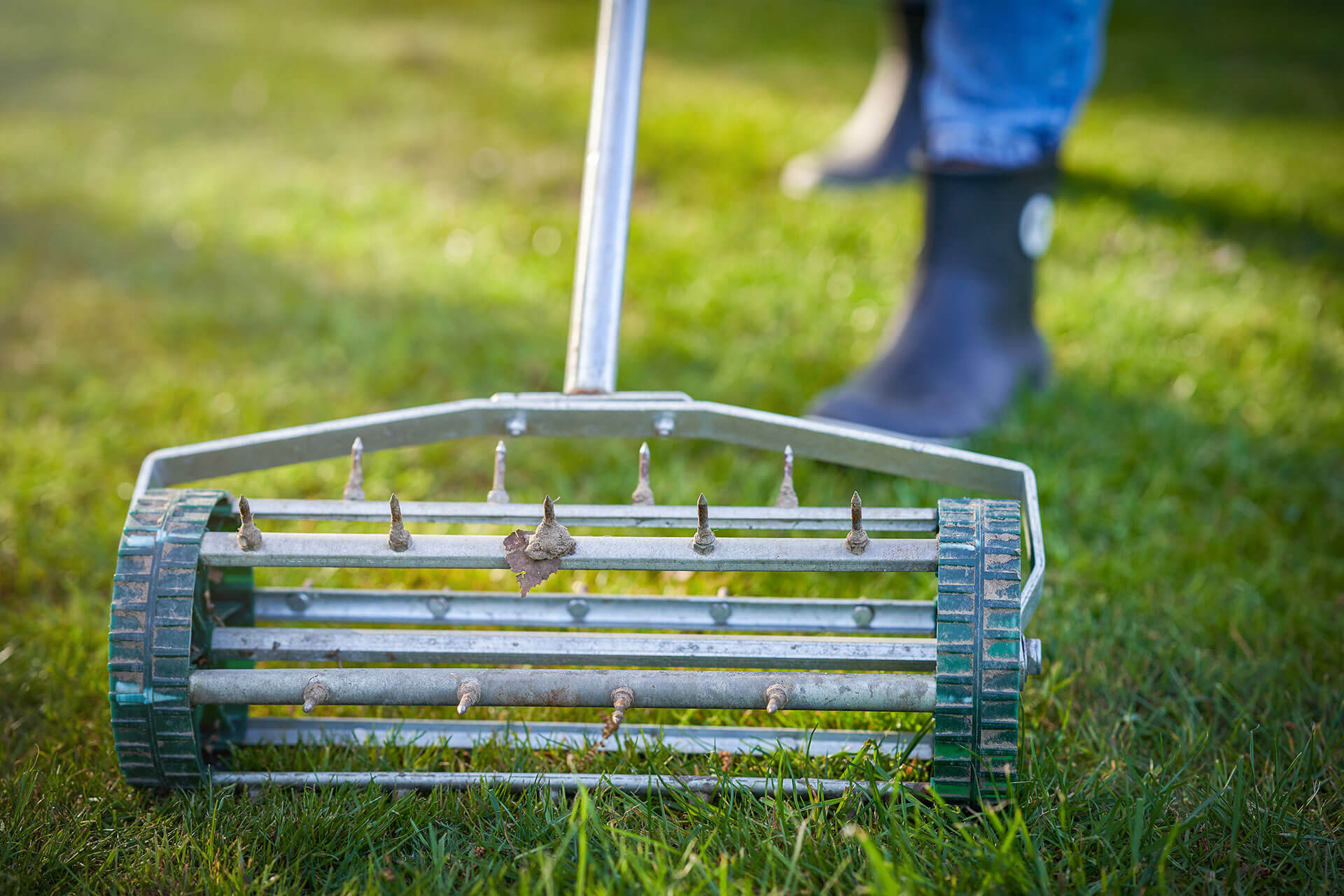
Aeration involves perforating the soil with small holes, allowing air, water, and nutrients to penetrate the grass roots. This helps the roots grow deeply and produce a stronger, more vigorous lawn. The main reasons to aerate include alleviating soil compaction, reducing thatch buildup, and improving the soil structure. Tools used for aeration can be as simple as a manual lawn spike aerator or as sophisticated as a motorized core aerator, which removes plugs of grass and soil from the lawn.
What is Overseeding?
Overseeding is planting new grass seed directly into existing turf without tearing up the turf or the soil. It’s an ideal way to fill bare spots, improve turf density, enhance your lawn’s color, and establish improved grass varieties. Overseeding is particularly beneficial for older lawns or those that have suffered from drought, pest damage, or other stresses.
Benefits of Aeration and Overseeding
Aeration and overseeding can transform a tired, stressed lawn into a vibrant and resilient landscape. Here are some of the key benefits:
- Enhanced root growth: Aeration improves the lawn’s root system by reducing soil compaction. Healthier roots lead to a more resilient turf.
- Improved nutrient uptake: By opening up the soil, aeration allows for better penetration of water and nutrients.
- Thicker, more robust lawn: Overseeding introduces new grass seeds to your lawn, increasing density and decreasing the chances of weed growth.
- Disease resistance: A well-aerated and overseeded lawn is less susceptible to diseases, as the grass can maintain more vital health overall.
Potential Risks of Aeration and Overseeding
While aeration and overseeding are beneficial, they can pose risks if not performed correctly:
Aeration Risks
- Damage to roots and irrigation systems: If not done carefully, aeration can damage underground irrigation systems or hurt healthy grass roots.
- Inappropriate timing: Aeration is most effective when done during the grass’s peak growing phase. Doing it at the wrong time of year can stress the lawn unnecessarily.
Overseeding Risks
- Poor seed-soil contact: If seeds are not accurately integrated into the soil, they may not germinate, leading to an uneven lawn.
- Overcrowding: Too much seed can lead to resource competition, weakening all grass plants.
- Mismatched grass types: Using a grass type different from the existing lawn or local climate can lead to poor results and maintenance difficulties.
Best Practices for Aeration and Overseeding
To avoid these risks and ensure that your lawn benefits fully from these practices consider these tips:
- Hire professionals: Professionals like those at Riverfront Landscaping have the knowledge and equipment to perform these tasks correctly.
- Choose the right time: Aerate and overseed during the growth peak of your lawn’s specific type of grass.
- Proper preparation and follow-up: After these treatments, ensure the lawn is properly watered and cared for to maximize benefits and minimize stress.
Landscapers near Sudbury, MA
While aeration and overseeding are excellent strategies for enhancing the health and appearance of your lawn, they must be executed with care to avoid potential damage. With the expertise of Riverfront Landscaping in Sudbury, MA, your lawn can achieve summer resilience and beauty through these effective lawn care techniques.