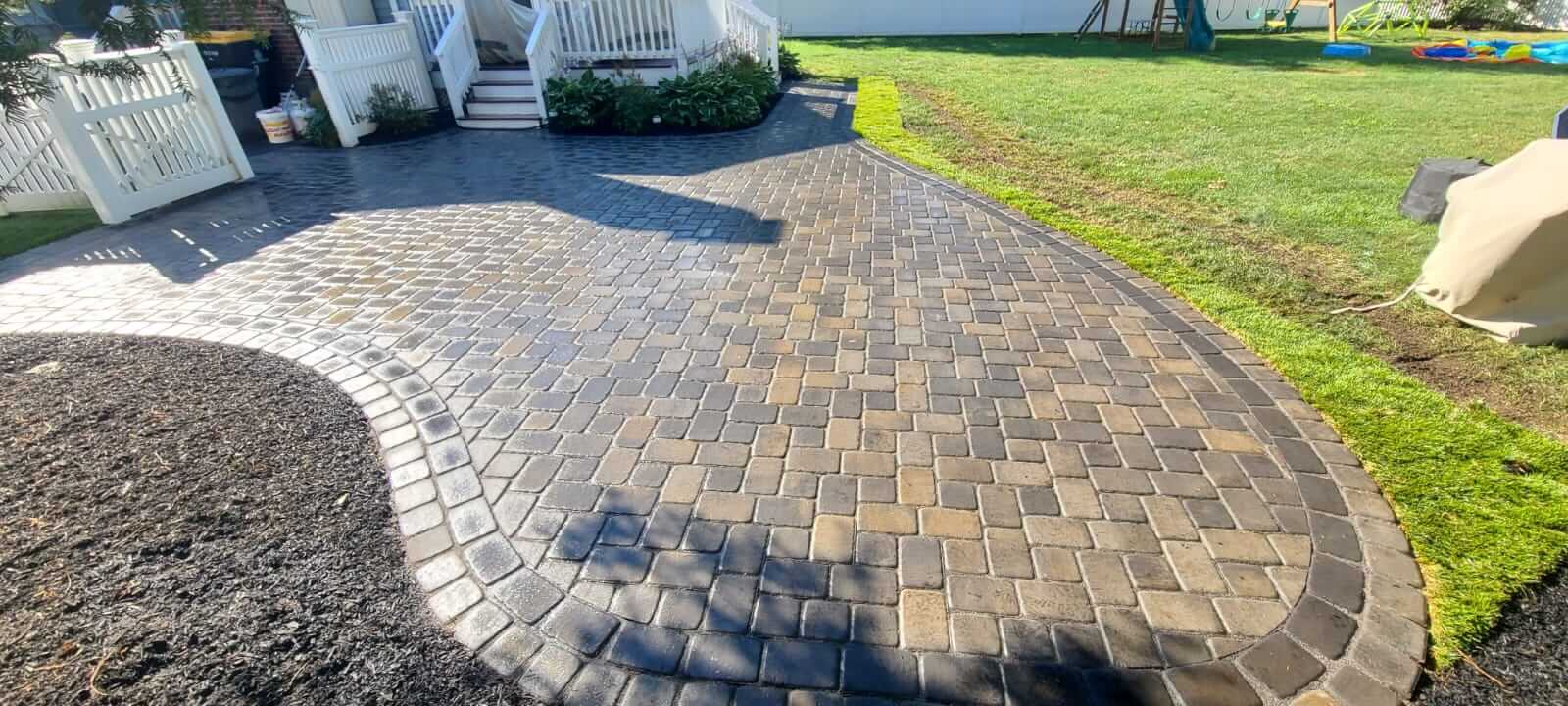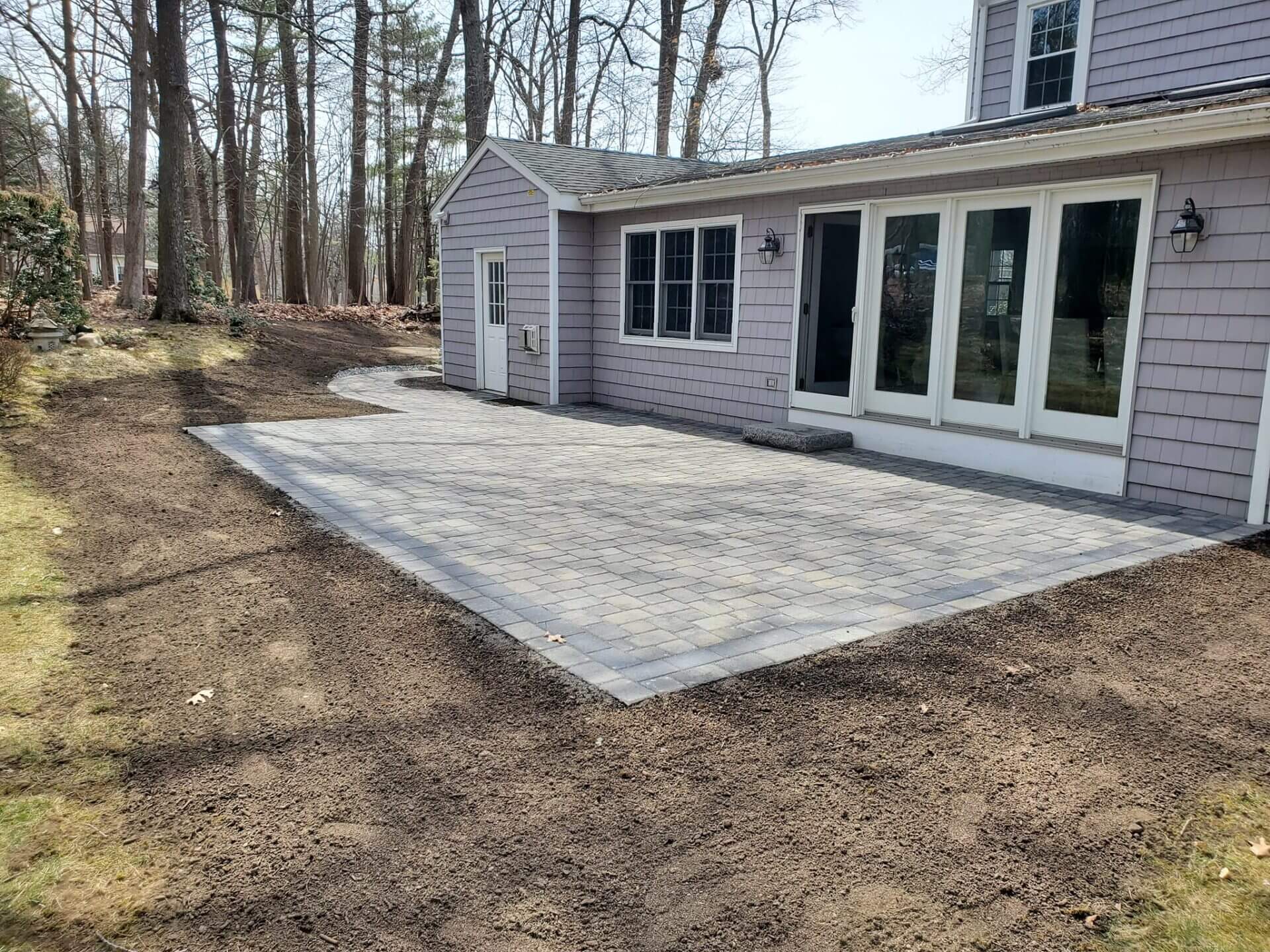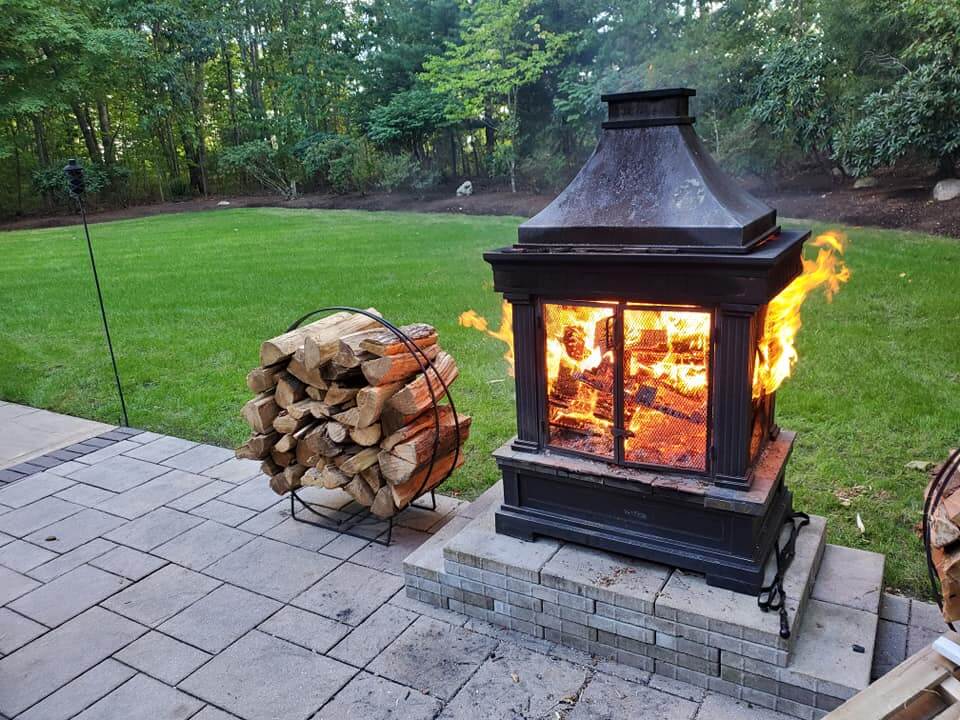

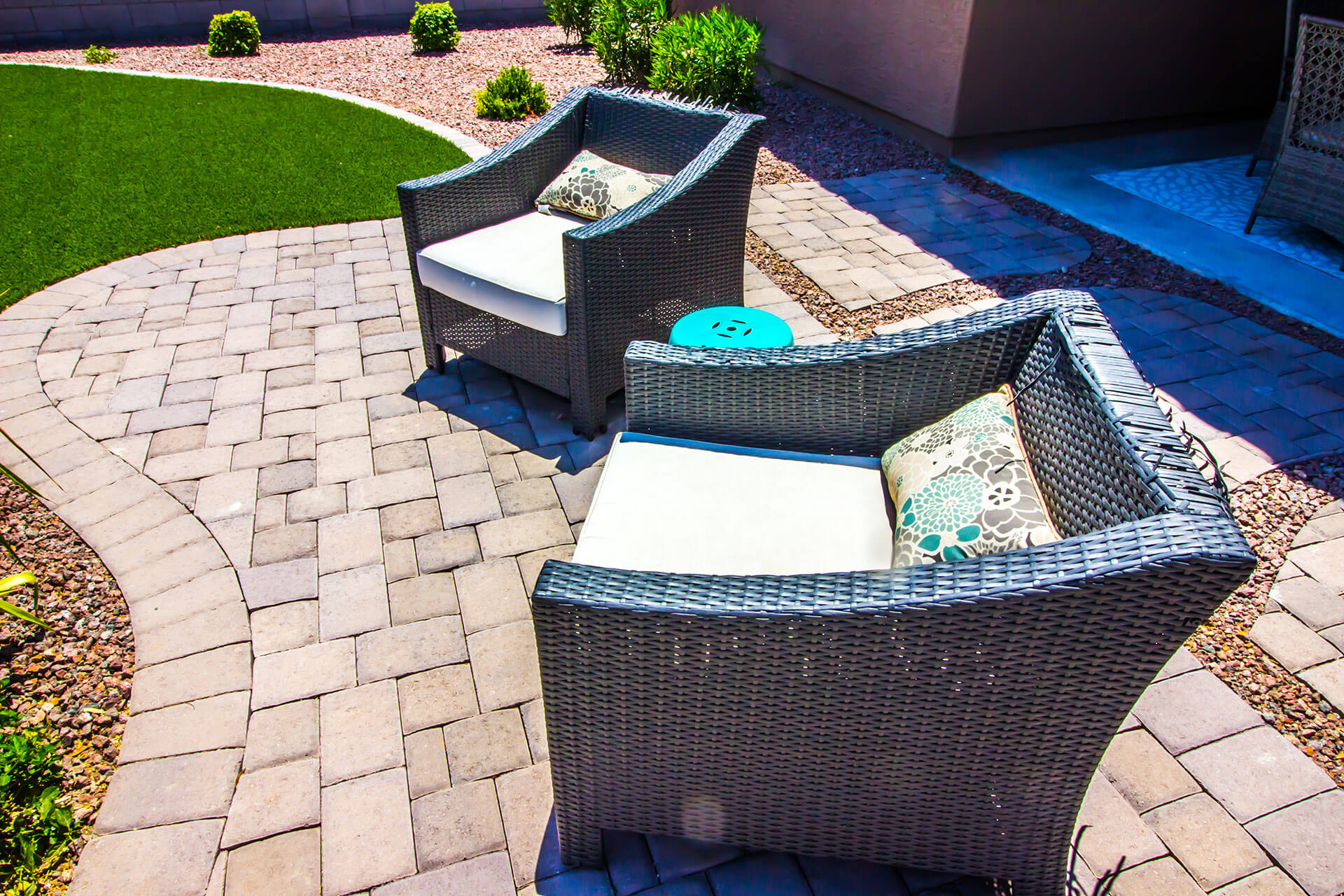
If your old concrete patio is looking tired but is still structurally sound, overlaying it with paver slabs is a fantastic way to revitalize your outdoor space. This cost-effective and visually appealing solution allows you to transform your backyard without the hassle of breaking up and removing the existing concrete. Here’s everything you need to know about this affordable hardscaping upgrade.
What Are Concrete Pavers?
Concrete pavers are modular bricks made of concrete that are commonly used for patios, driveways, and walkways. They come in a wide range of colors, sizes, and styles, allowing for endless creative possibilities. Whether you prefer a sleek, modern look or something more natural and stone-like, there’s a paver option to match your aesthetic.
- Interlocking pavers: Provide a uniform look with built-in spacers for precise joint spacing, offering a professional and polished finish.
- Slab pavers: Resemble natural stone and provide a more varied, organic appearance, ideal for adding a touch of rustic charm.
Pavers are versatile and relatively easy to install with the right tools and materials, making them a great choice for DIY enthusiasts and professionals alike.
Is Your Patio a Good Candidate for Overlaying?
Most concrete patios can be overlaid with pavers, provided they meet a few basic conditions:
- Level Surface: The concrete must be level and free of significant erosion or large cracks. Minor surface damage like flaking or chips is not a problem.
- Stable Base: Cracks that expand significantly over time can pose a risk. If the cracks have grown noticeably in recent years, they may transfer movement to the pavers, leading to uneven surfaces.
- Sufficient Threshold Height: Door thresholds need to be high enough to accommodate the added height of the pavers, typically about 3/4 inch above the patio’s surface to account for frost heave.
Pros and Cons of Overlaying a Concrete Patio with Pavers
PROS
- Cost-Effective: Saves the expense of demolishing and removing the concrete or installing a new gravel base.
- Labor-Saving: Eliminates the need for backbreaking tasks like soil excavation and concrete removal.
- Time-Efficient: The overlay process is quicker compared to starting from scratch.
CONS
- Increased Patio Height: Raises the patio surface, which could interfere with doors, windows, or steps.
- Design Limitations: Requires border and field pavers of specific thicknesses to ensure proper fit and stability.
The Importance of Proper Drainage
Ensuring proper drainage is critical when overlaying a concrete patio. Without adequate water management, moisture can collect under the pavers, leading to shifting, damage, and even mold growth. To prevent these issues, consider incorporating a drainage system, such as sloping the surface slightly away from your home or installing drainage channels.
A Beautiful, Budget-Friendly Upgrade For Your Home
Overlaying your existing concrete patio with pavers is an excellent way to give your backyard a fresh, new look without breaking the bank. With the right materials, proper preparation, and attention to detail, you can achieve a stylish and durable outdoor space perfect for entertaining, relaxing, or enhancing your property’s value.
Let Riverfront Landscape help you transform your patio this new year with high-quality paver overlays. Contact us today for a consultation and take the first step toward revitalizing your outdoor living space!